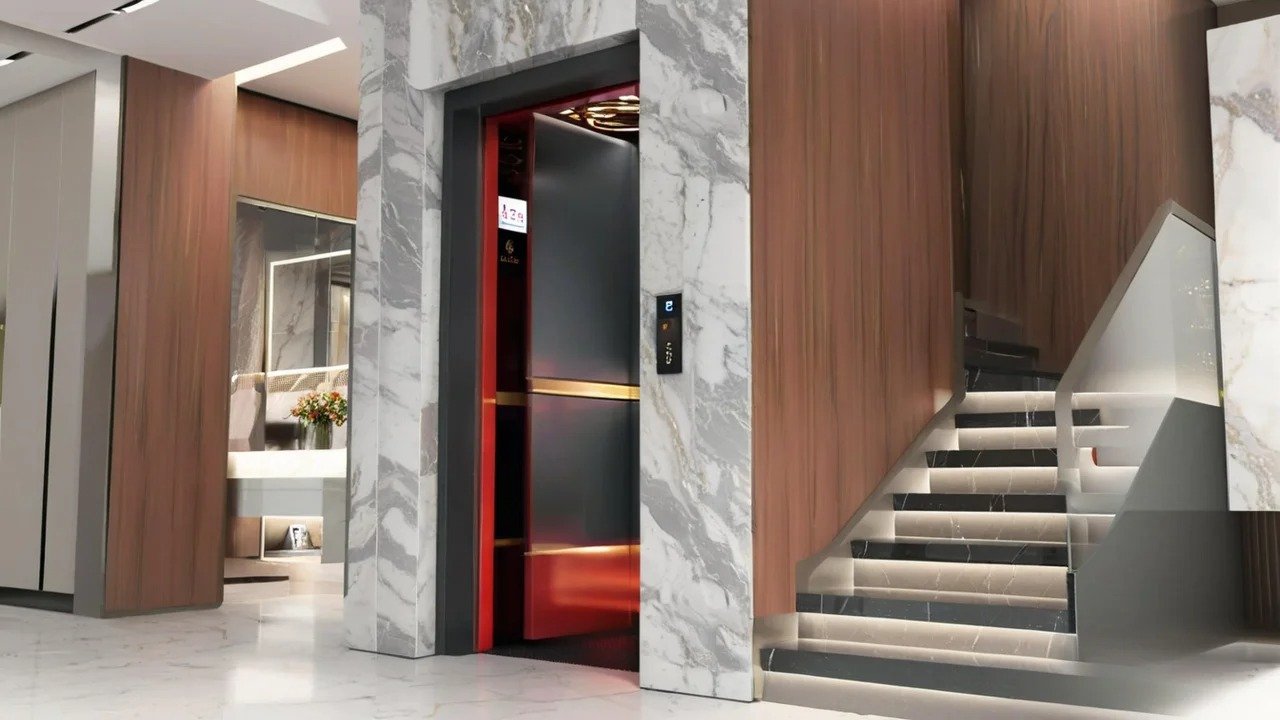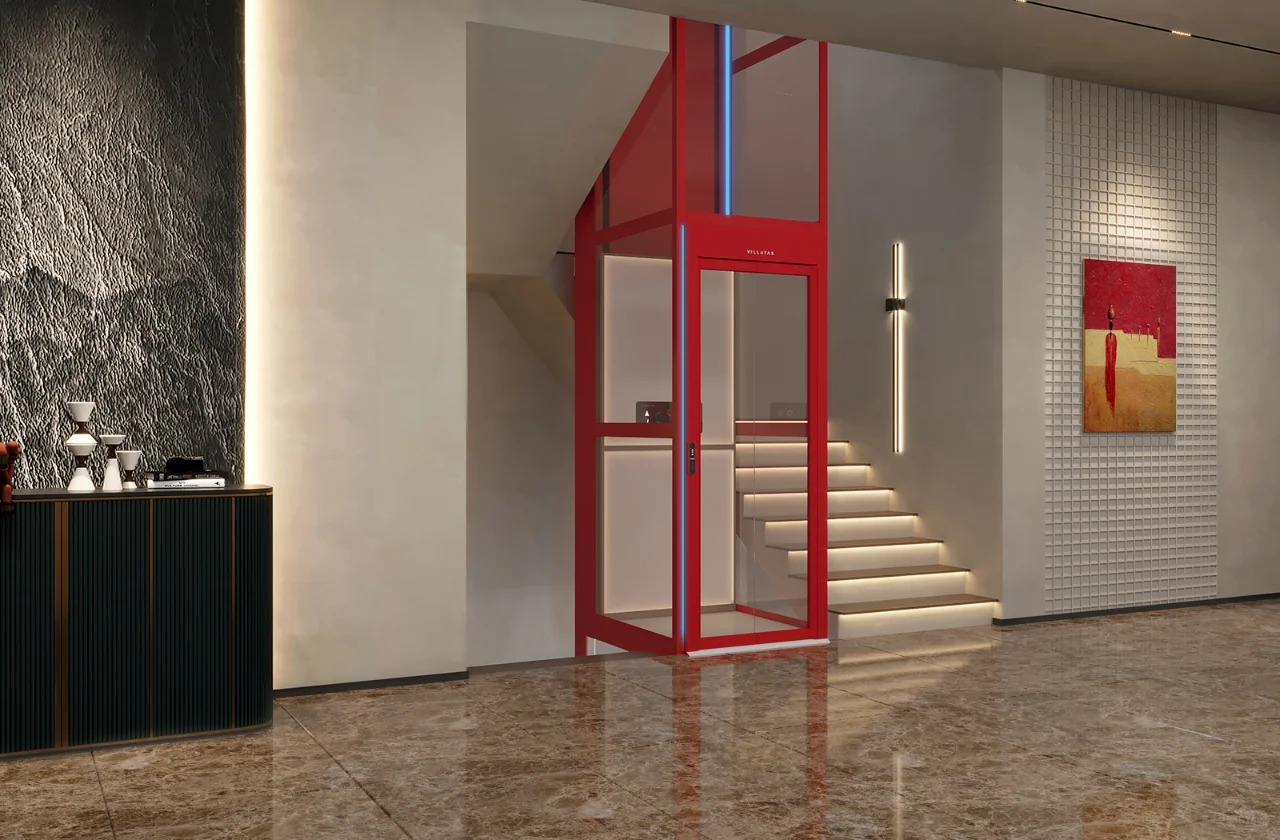


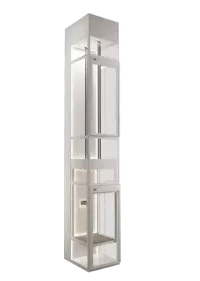
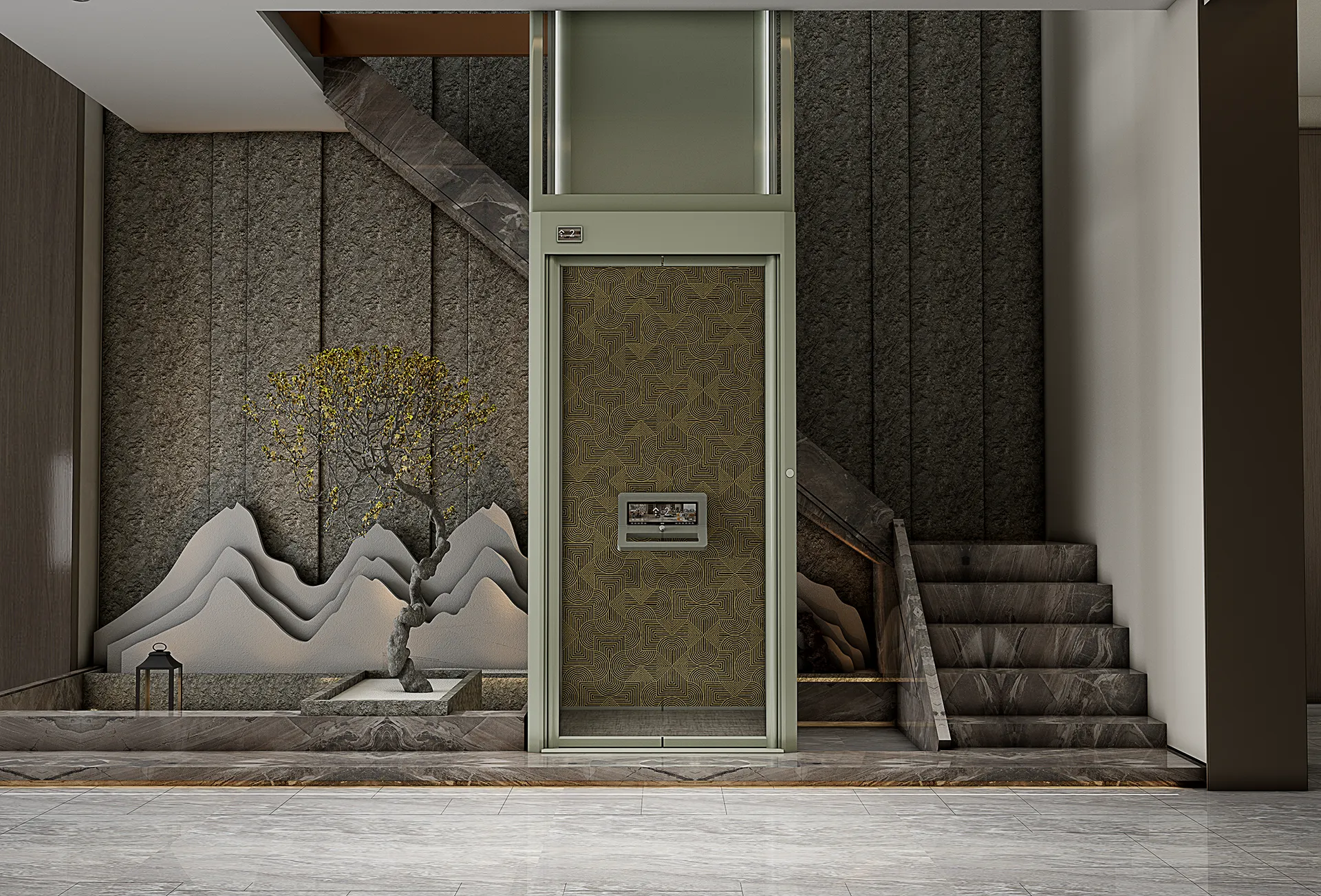
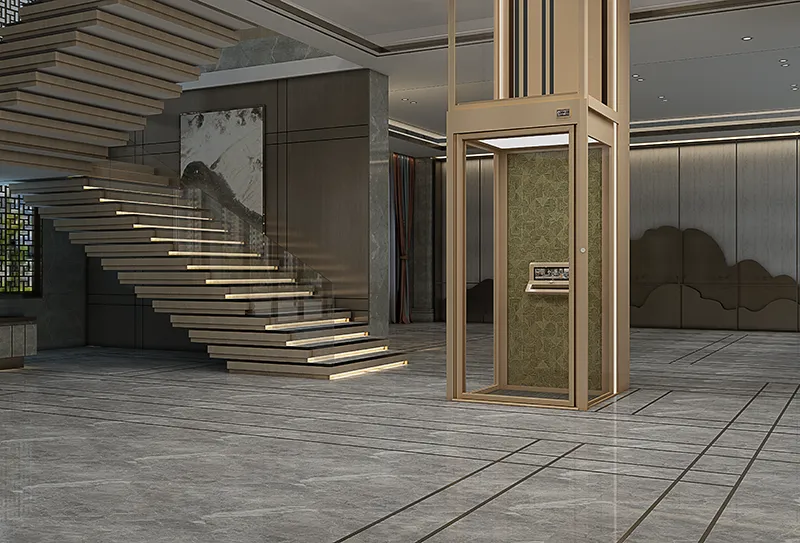
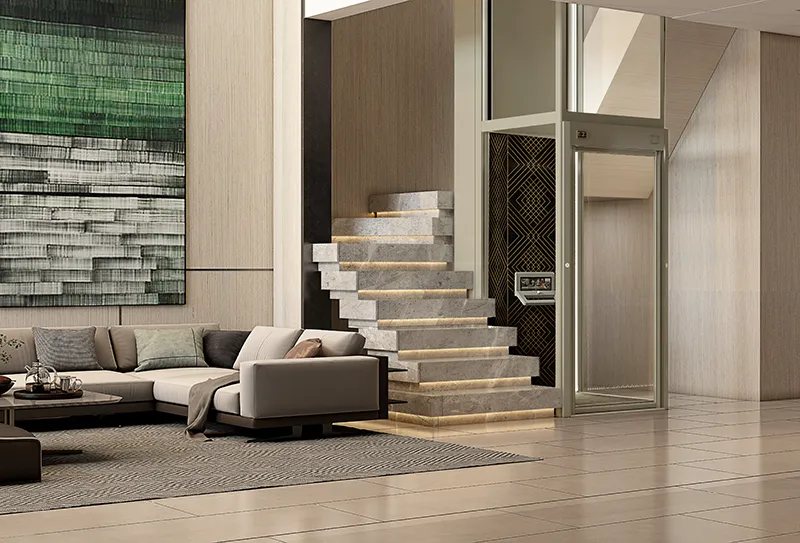
Because elevator components are distributed and installed in locations such as the machine room, hoistway walls, hall doors at each floor station, and the pit at the bottom of the hoistway, villa elevators are inextricably linked to the building's civil construction. Although elevator products with different standard parameters have relatively comprehensive requirements for the machine room, hoistway, landing doors, pit, etc., most construction teams tend to overlook these during the planning and execution of elevator-related civil works. This often results in civil engineering issues that conflict with elevator installation conditions, thereby affecting both installation progress and quality.
Civil Issues Impacting Installation Progress include the following:
- Reserved openings from the machine room to the hoistway are either not provided or violate dimensional requirements.
- Reserved openings in load-bearing walls for the traction machine's support beams inside the machine room are missing.
- Load-bearing hooks in the machine room violate dimensional standards, making it inconvenient to hoist and position the traction machine.
- Overall hoistway dimensions deviate significantly from specifications.
Civil Issues Impacting Installation Quality include the following:
- Excessive deviation in overall hoistway dimensions, leading to reduced strength after welding certain guide rail brackets.
- Required intermediate beams in the hoistway are not installed, resulting in the use of hollow bricks for wall construction; guide rail brackets mounted on such walls fail to perform as intended.
- The distance between the landing door sill and the landing door is excessively large; remedial measures such as adding supports or brackets cannot achieve satisfactory results.
Key Issues Identified Through safety inspections of elevators in urban supermarkets, commercial-residential buildings, and other locations, the Yibin Quality and Technical Supervision Department identified the following problems:
- Unresolved Issues During Handover Between Developers and Property Management: Safety defects identified during elevator inspections that require rectification are often subject to mutual blame-shifting between developers and property management companies, making resolution difficult.
- Negligence in Management by Elevator Operating Units:
- Safety issues discovered during inspections are not rectified promptly.
- No maintenance is performed by contracted service providers as agreed.
- No dedicated (or part-time) safety management department or personnel are appointed, or if appointed, they fail to fulfill responsibilities. Safety managers are not trained, certified, or qualified.
- Poor archiving and management of documents related to elevator manufacturing, installation, operation registration, inspection, and maintenance.
- Failure to display valid inspection certificates, safety riding instructions, emergency contact numbers, and relevant regulations inside the car as required.
- In-car alarm bells, telephones, or wireless signals are missing or malfunctioning, preventing effective transmission of rescue information during entrapment.
- Most operating units provide inadequate maintenance, with poor-quality service going uncorrected.
- Improper Handling of Emergency Situations: When a villa elevator malfunctions and traps passengers, property management often fails to promptly notify or cooperate with professional maintenance personnel and instead attempts self-resolution, leading to accidents.
Causes of Frequent Accidents
- Lax source control in elevator safety, resulting in inherent risks.
- Inadequate safety measures during operation, leading to malfunctions.
- Operating units fail to apply for inspections or operate beyond inspection deadlines.
- Insufficient maintenance and upkeep, resulting in numerous hidden faults.
- Lack of funding for maintenance, repairs, and inspections, causing elevators to operate while faulty.
- No regulations on service life, leading to higher risks in aging elevators. These and other factors contribute to elevator malfunctions or safety incidents.