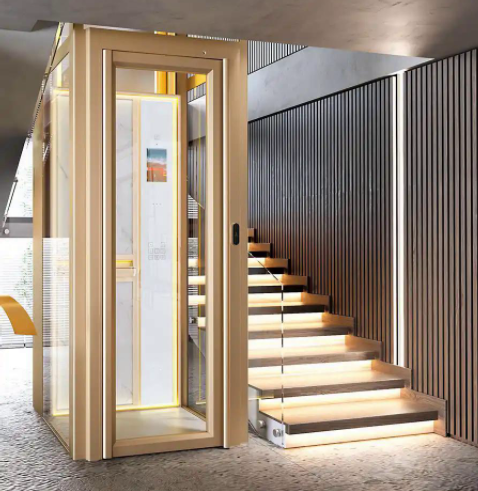


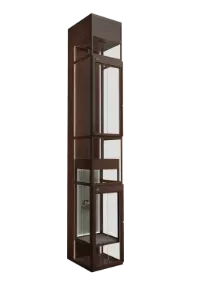
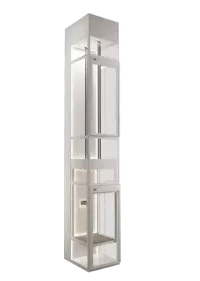
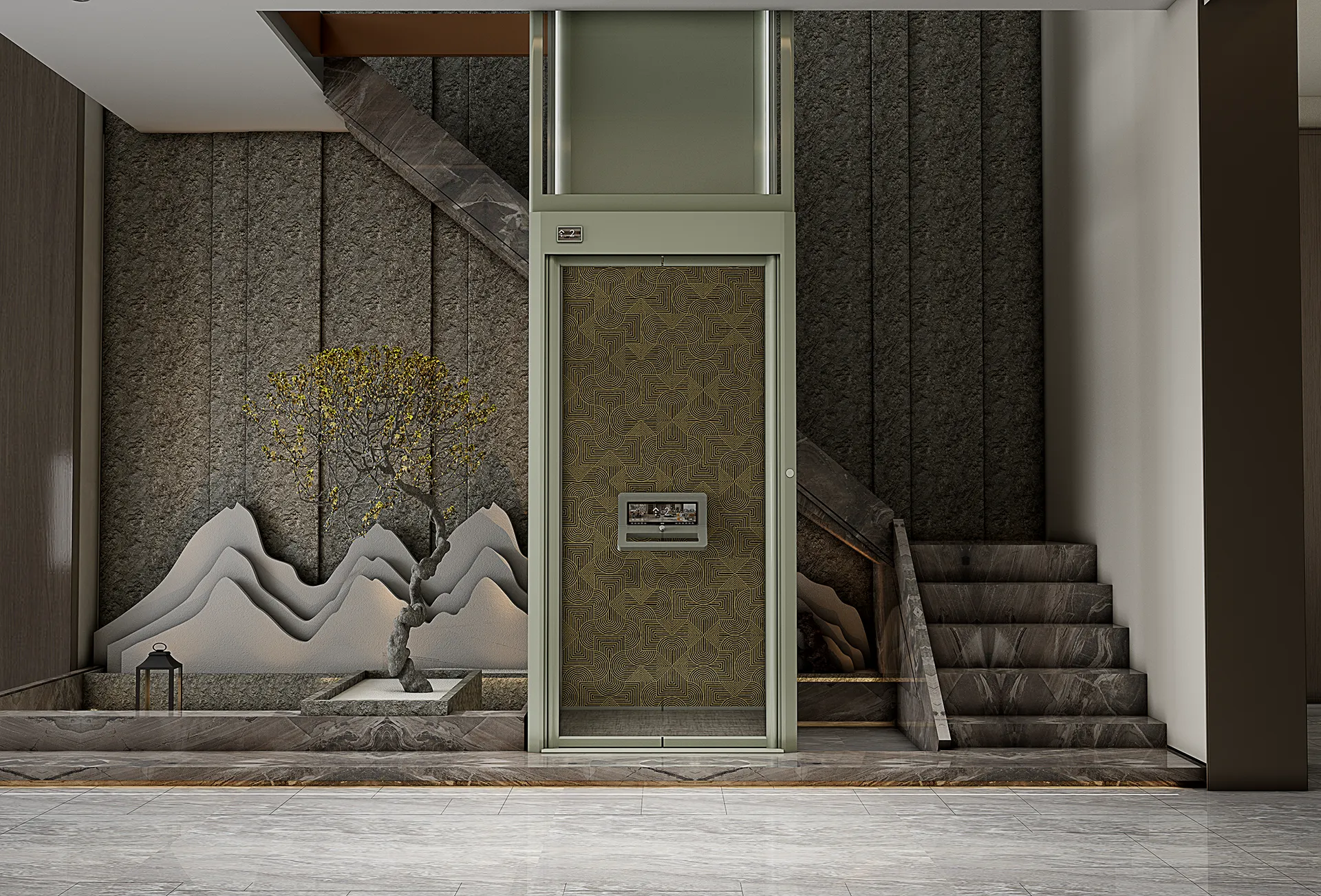
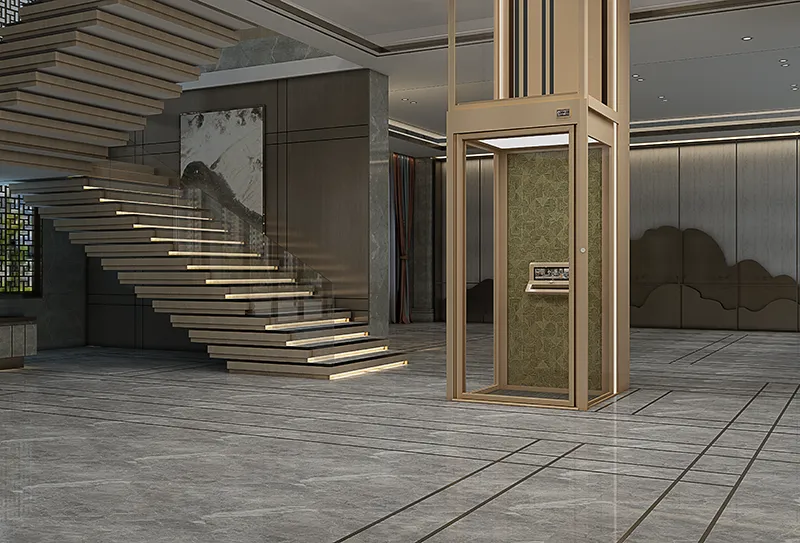
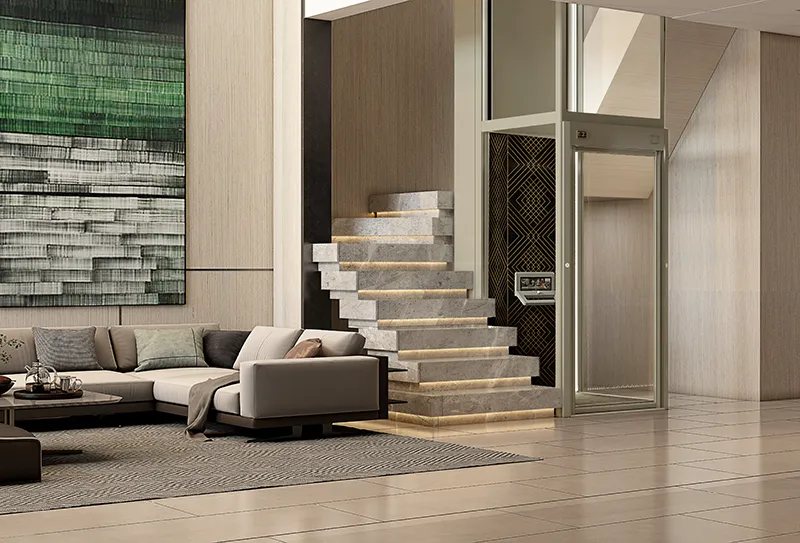
When it comes to picking a home elevator, the structure of your house really matters. For most private homes, a machine-room-less (MRL) elevator is the best choice. If you’re adding an elevator to an existing house, you probably don’t want to tear down walls or change the original structure. In that case, a shaft-included, no-pit home elevator is a great solution – it saves construction costs, takes up less space, and still keeps your home looking nice.
Another big factor is safety. Unlike commercial elevators, which are serviced regularly, home elevators don’t get checked as often. That means the safety standards need to be even higher. So, if you’re planning to install one, it’s always smarter to go with a reliable, well-known brand that can guarantee quality.

Traditionally, hydraulic elevators were very common, especially in North America and Europe. But nowadays, they’re being phased out for home use. Why? They tend to leak oil, make a lot of noise, and use more electricity – not exactly eco-friendly or energy-saving. That’s why their share of the market has dropped to just around 3%, mostly for freight lifts or heavy-duty special elevators.
On the other hand, machine-room-less traction elevators are becoming the go-to choice. They’re energy-efficient, space-saving, and environmentally friendly – just like the elevators you find in modern apartment buildings. According to World Elevator Magazine, MRL elevators were expected to make up around 80% of sales by 2010, and that trend has only continued.
There’s also the screw-driven elevator, which works with a nut-and-screw system. It’s another type of MRL elevator that doesn’t need a pit, counterweight, or even a traditional shaft – it comes with its own enclosure. Thanks to its safety and space-saving design, screw elevators have been popular in European homes for nearly 40 years, especially in villas and duplex houses.