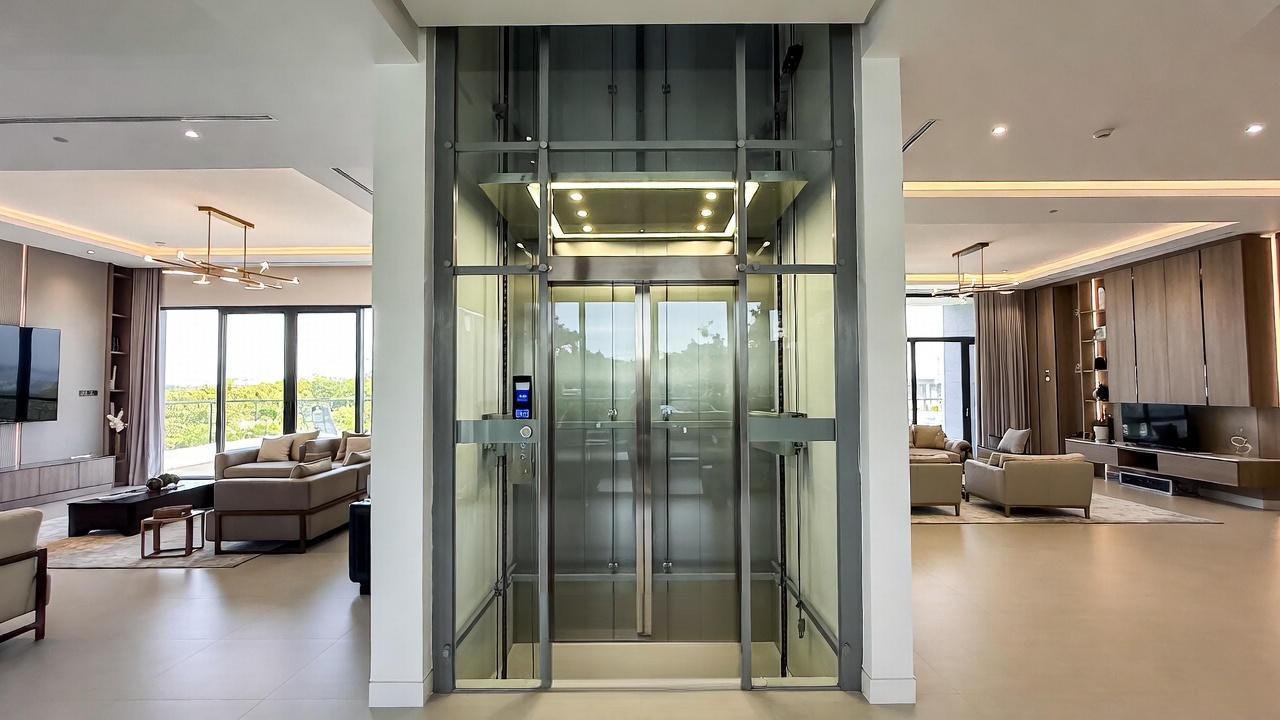


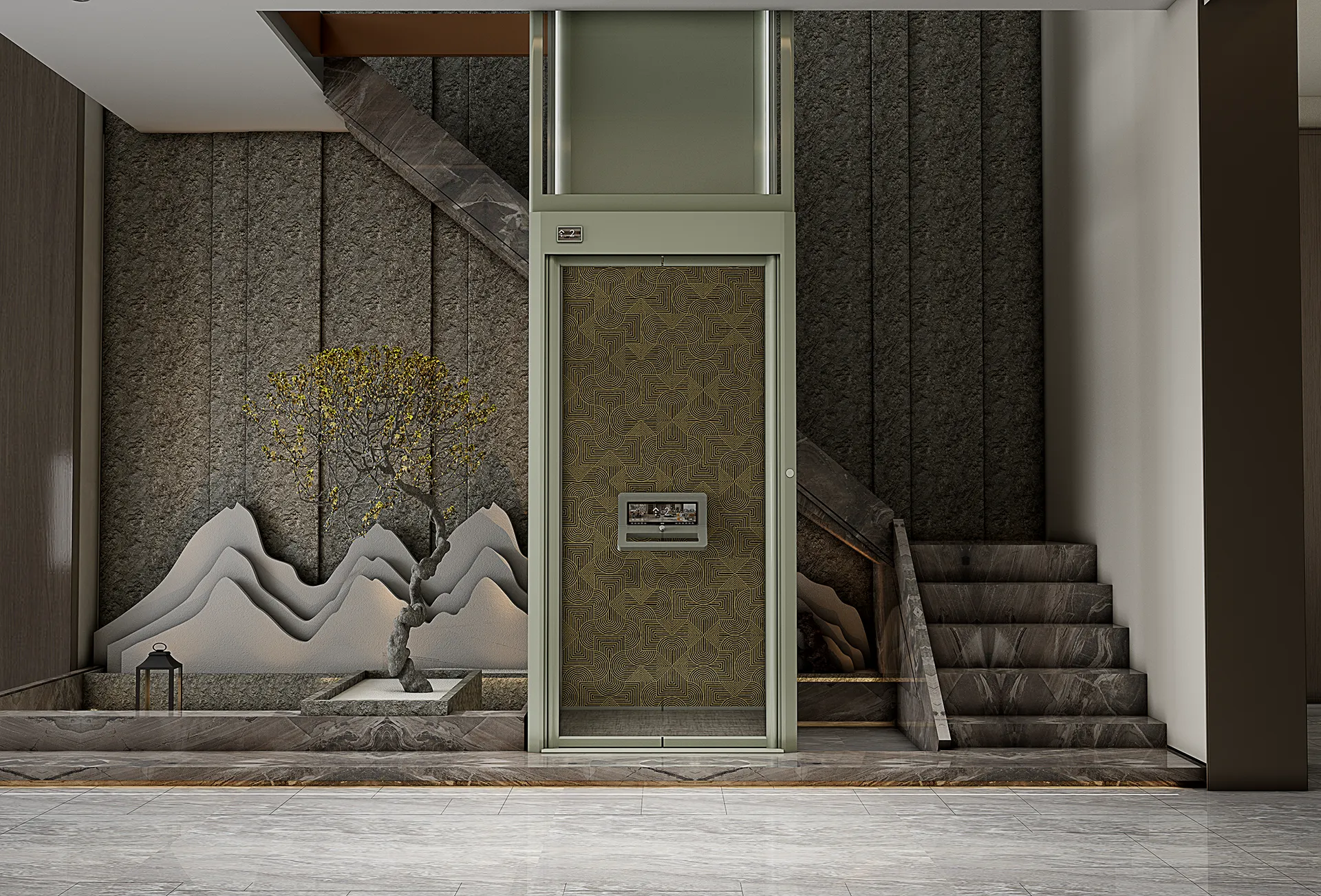
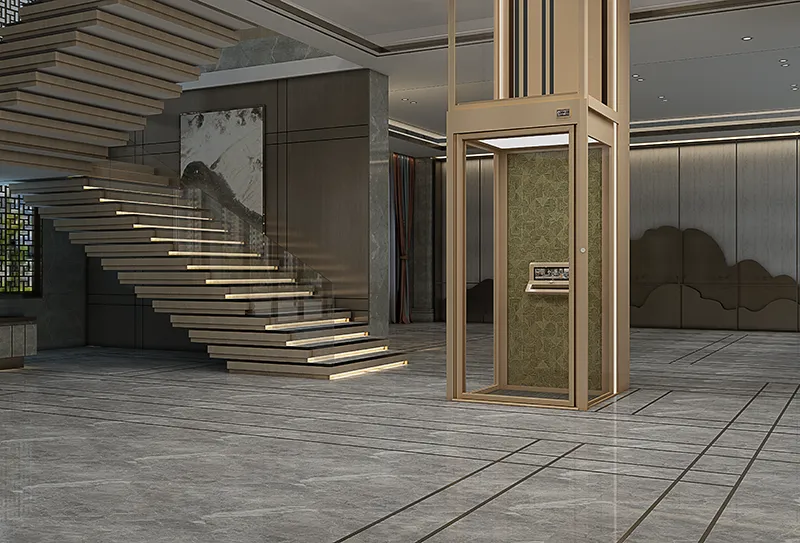
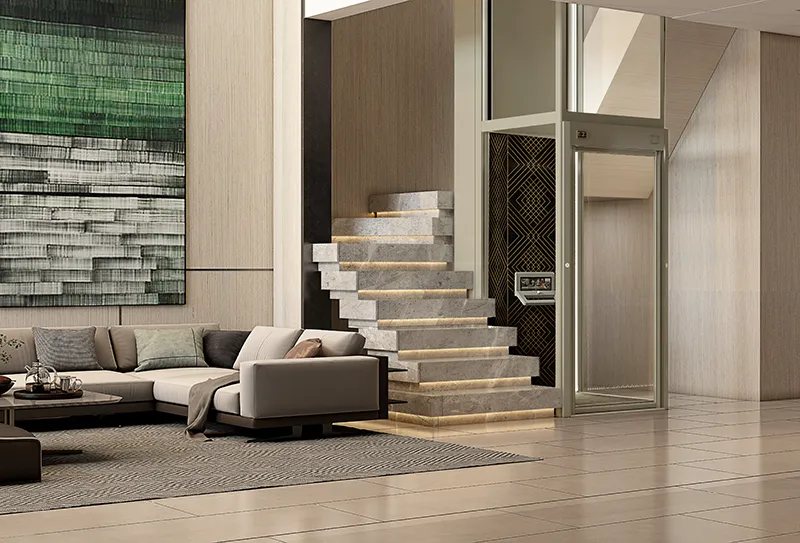
A residential panoramic elevator is a glass-walled lift installed in private homes to move people between floors. It uses transparent walls, usually made of tempered or laminated glass, to provide views of the surrounding space during travel. Homeowners install these elevators for easier access across multiple levels, improved convenience, and added property value.
Also called a panoramic home elevator or panoramic glass elevator, this type of lift differs from standard enclosed elevators by offering visibility on multiple sides. The design works well in modern homes, open-plan layouts, or properties with scenic views.
Core Benefits of Installing a Residential Panoramic Elevator
Improved Accessibility
Multi-story homes become fully usable for all residents when equipped with a residential panoramic elevator. It allows elderly family members, people with mobility limitations, or anyone carrying heavy items to move between floors without stairs. This feature supports aging in place and meets accessibility standards in many regions.
Open Design and Natural Light
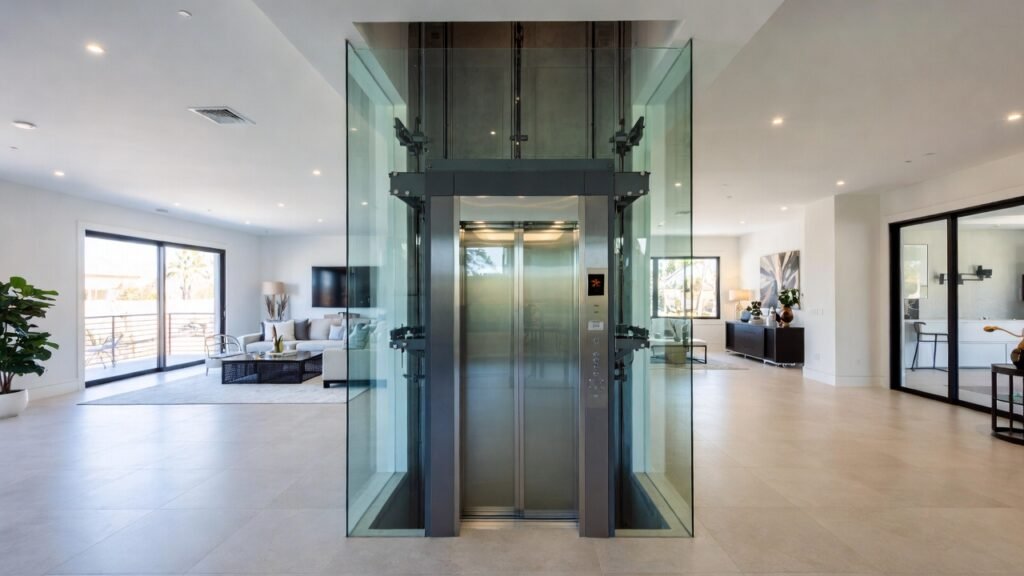
The glass construction of a panoramic glass elevator lets light pass through the shaft and cabin. This reduces the closed-in feeling of traditional elevators and helps maintain an open atmosphere in the home. In homes with atriums, stairwells, or central voids, the elevator can serve as a light conduit between levels.
Increased Property Value
Real estate data shows that homes with installed elevators sell faster and at higher prices in markets where multi-level properties are common. A panoramic home elevator adds a visible luxury feature that appeals to buyers seeking turnkey accessibility and modern design.
Quiet and Smooth Operation
Most residential models use hydraulic or machine-room-less (MRL) traction systems. These provide quiet rides with minimal vibration, suitable for home environments. Energy-efficient drives keep operating costs low compared to commercial elevators.
Types and Customization Options
Drive Systems
- Hydraulic panoramic elevators: Common for low-rise homes (2-4 stops). They require a small machine room or pit and offer smooth starts and stops.
- Traction panoramic elevators: Use cables or belts with counterweights. Better for homes with more than 4 stops or higher travel distances. MRL versions eliminate the need for a separate machine room.
Cabin Shapes and Sizes
Standard cabin dimensions for residential use range from 36×48 inches to larger custom sizes. Options include:
- Square or rectangular cabins
- Semi-circular or full-circular panoramic designs
- Single or multiple glass sides (three-sided or fully panoramic)
Materials and Finishes
Walls use safety glass panels with stainless steel or powder-coated frames. Interior options include stainless steel, wood veneer, or mirror panels. Floors can be stone, wood, or carpet. Controls are typically push-button with optional touch screens or key access.
Safety Features
All compliant residential panoramic elevators include:
- Emergency battery backup for lowering during power failure
- Door interlocks and sensors
- Overload protection
- Telephone or intercom for communication
Cost and Pricing Factors
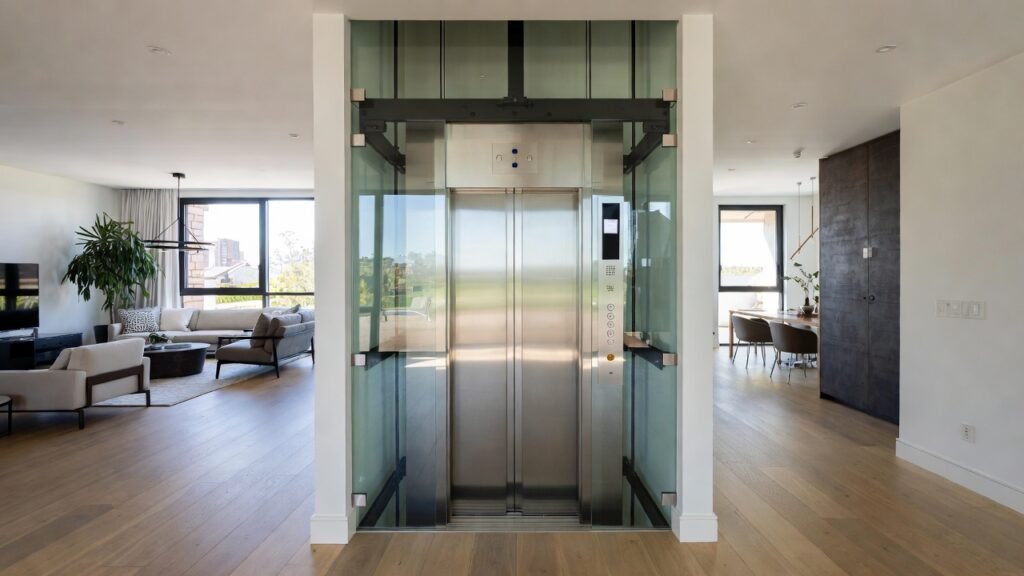
Panoramic elevator cost varies based on several elements:
- Basic hydraulic model (2 stops, standard size): $45,000–$65,000 installed
- Traction MRL model (3-4 stops): $65,000–$95,000 installed
- Full custom panoramic elevator with circular cabin, premium finishes, and multiple glass sides: $100,000+
Additional costs include:
- Structural modifications to the home
- Electrical upgrades
- Permits and inspections
- Annual maintenance contracts (typically $800–$1,500 per year)
Many suppliers offer residential panoramic elevators for sale with financing options or package pricing that includes design, delivery, and installation.
Installation Process and Timeline
Professional installation by certified technicians is required for safety and code compliance. Typical timeline:
- Site survey and structural assessment (1-2 weeks)
- Custom design approval (2-4 weeks)
- Manufacturing (8-12 weeks)
- On-site installation (2-4 weeks)
- Final inspections and handover
Total project duration: 4-6 months from order to completion.
Choosing a Supplier
Look for manufacturers or dealers with experience in residential panoramic elevators. Key criteria:
- Proven track record of home installations
- Compliance with local building codes (ASME A17.1 in the US)
- Full warranty on parts and labor
- Ongoing maintenance and service support
Many companies provide panoramic glass elevators for sale directly to homeowners or through architects and builders.
Is a Residential Panoramic Elevator Suitable for Your Home?
If your property has two or more floors and you want reliable vertical transportation that preserves open design and adds long-term value, a residential panoramic elevator is a practical solution.
We supply and install custom panoramic home elevators across various configurations. Contact us for a detailed site evaluation, accurate panoramic elevator pricing based on your layout, and options for panoramic glass elevator models that fit your needs.