

Retrofitting a home elevator in an existing house is usually more complex than installing an elevator in a newly designed villa. In a new building, the shaft, pit, floor opening, power supply, and structural conditions can be planned in advance. In an existing house, the elevator solution must be adapted to the available space, building structure, staircase layout, decoration condition, and daily use requirements.
For this reason, the cost of a residential elevator retrofit cannot be judged only by the elevator model or cabin size. A proper quotation should consider the number of floors, floor-to-floor height, shaft condition, drive system, installation position, load capacity, door direction, cabin finish, civil work requirements, delivery scope, and local installation conditions.
As a manufacturer of home elevators and villa lifts, Songya works with homeowners, villa project buyers, distributors, designers, and residential retrofit contractors. This article explains the main factors that affect the cost of retrofitting a home elevator in an existing house.
1. Whether the House Already Has an Elevator Shaft
The first cost factor is whether the house already has a reserved hoistway or elevator shaft. If the building was originally designed with an elevator space, the retrofit project is usually more straightforward. The supplier can review the shaft size, pit depth, overhead height, door opening, and floor levels before recommending a suitable home elevator.
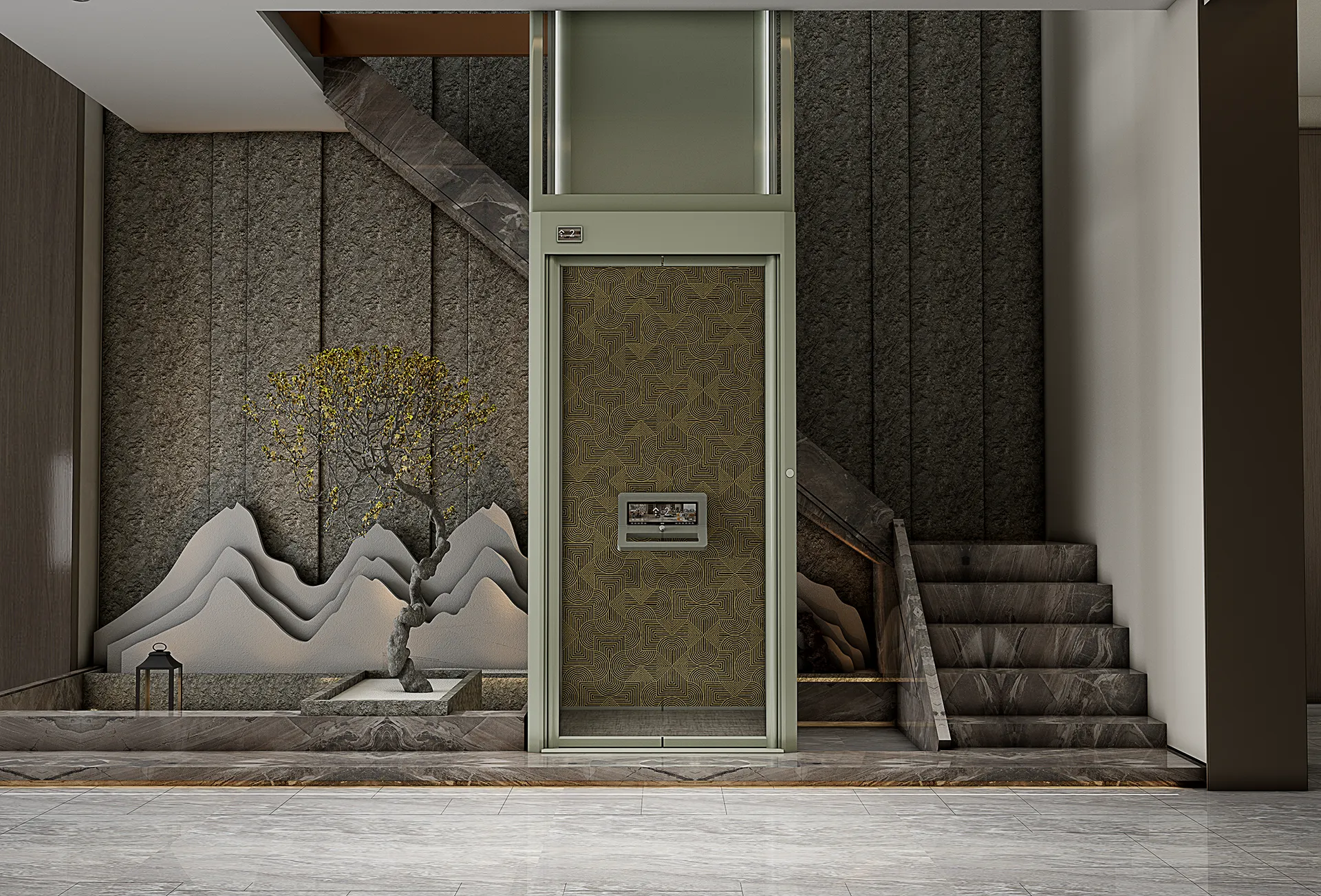
If there is no existing shaft, additional planning is required. The elevator may need to be installed in the middle of the staircase, beside the staircase, against an interior wall, outside the building, or inside a self-contained shaft structure. This affects both equipment selection and installation cost.
For existing houses without a concrete shaft, Songya can provide an aluminum alloy elevator shaft structure. This type of structure can help create a cleaner and more practical installation space for home elevator retrofit projects, especially when heavy civil construction should be reduced.
2. Installation Position Inside or Outside the House
The installation position has a direct influence on project cost. A home elevator installed inside an existing hoistway is different from one installed beside a staircase or outside the building. Each position requires different shaft treatment, door opening arrangement, structural support, decoration work, and installation coordination.
Common retrofit positions include:
- Inside an existing hoistway
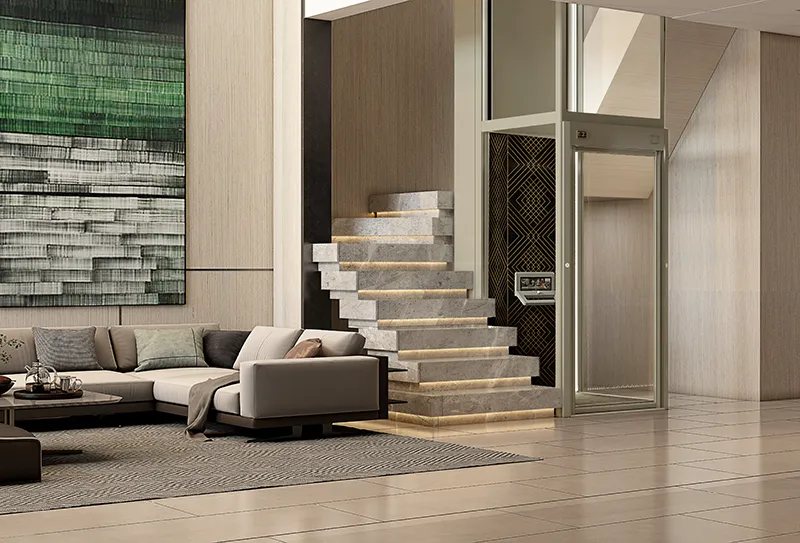
- In the middle of the staircase
- Beside the staircase
- Against an interior wall
- Against an exterior wall
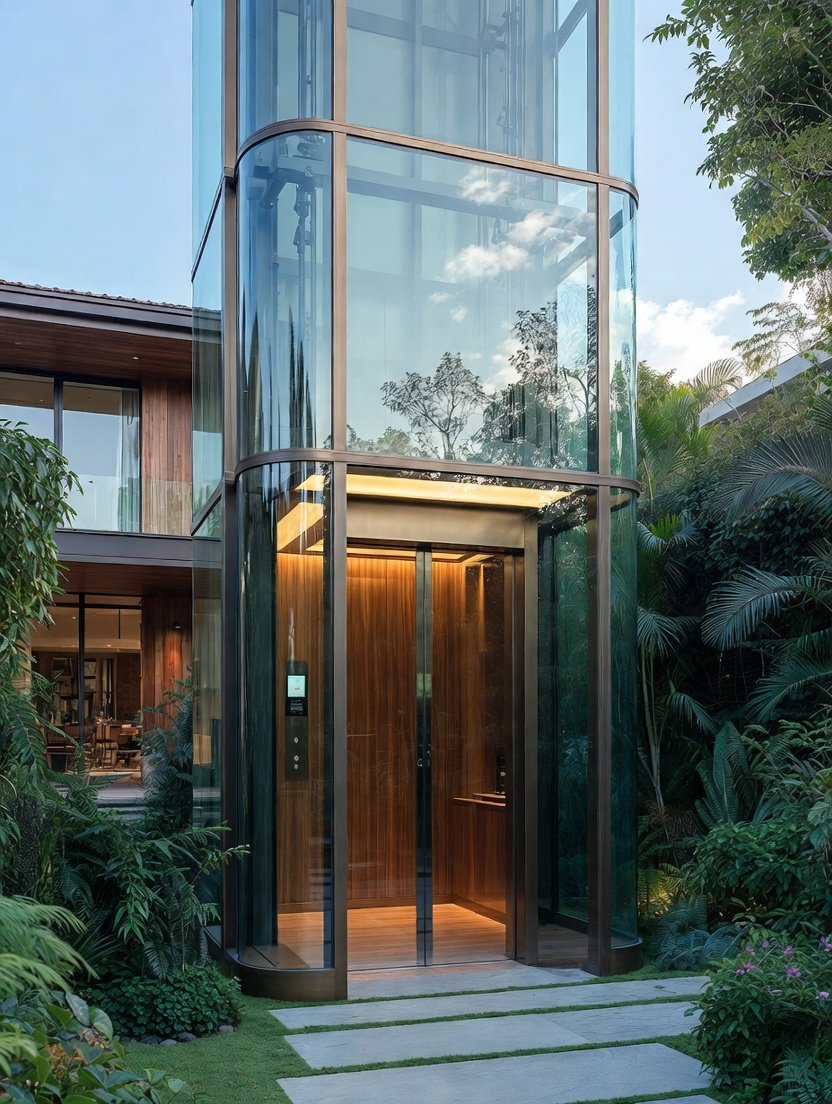
- With an outdoor shaft structure
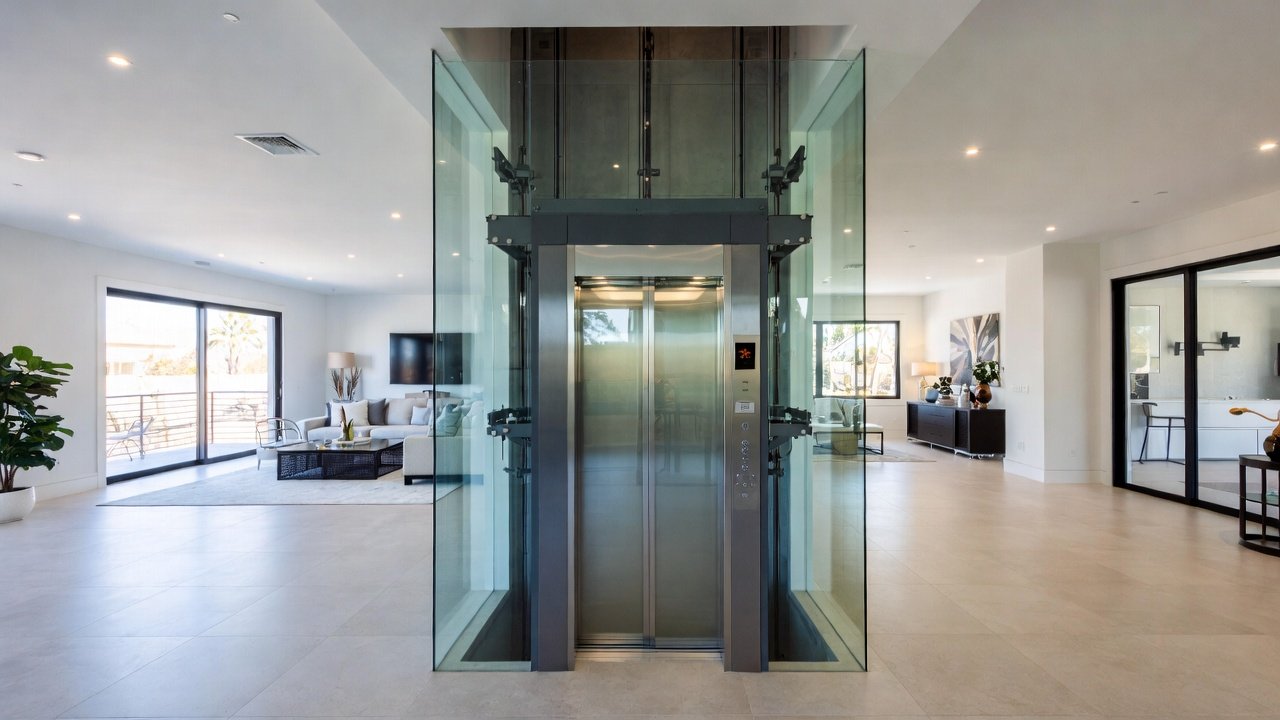
- With a glass shaft for villa or panoramic design
For example, a staircase-middle installation may save floor area, but the available space, stair width, handrail position, and floor opening must be checked carefully. An outdoor shaft may preserve interior space, but it may require weather protection, wall openings, foundation work, and exterior design coordination.
3. Number of Floors and Travel Height
The number of floors served by the elevator is another major cost factor. A two-floor home elevator is simpler than a four- or five-floor system because the travel height, guide rail length, door quantity, control configuration, shaft height, and installation work all increase with the number of stops.
For a retrofit project, buyers should provide the floor-to-floor height for each level rather than only saying “two floors” or “three floors.” In many existing houses, floor height may vary between basement, ground floor, living floor, and attic level. Accurate measurements help the supplier calculate the correct travel height and configuration.
Songya residential elevators are commonly used in 2–6 floor villas, duplex houses, townhouses, and self-built homes. The final configuration should be selected according to actual floor height, installation space, and user requirements.
4. Hydraulic or Traction Drive System
The drive system also affects cost, installation requirements, maintenance planning, and daily user experience. In residential elevator projects, hydraulic and traction systems are both commonly considered, but they are suitable for different house conditions.
A hydraulic home elevator is often selected for low-rise residential buildings where stable movement, simple structure, and smooth operation are important. It may be suitable for existing houses when the shaft condition, load requirement, and installation space match the hydraulic system design.
A traction home elevator is often selected for villa and private house projects that require compact structure, quiet operation, energy efficiency, and a modern residential elevator arrangement. It may be more suitable when the shaft and machine arrangement can be planned clearly.
The choice between hydraulic and traction should not be based only on equipment price. Buyers should also consider travel height, pit condition, overhead space, noise expectation, maintenance access, local service ability, and long-term operating preference.
5. Cabin Size and Load Capacity
Cabin size affects the elevator structure, shaft size, door opening, load capacity, and final cost. A compact cabin may be enough for general family movement, while a larger cabin may be required for wheelchair users, caregivers, luggage, groceries, or elderly family members using walking aids.
Before confirming the cabin size, buyers should consider:
- Whether wheelchair access is required
- Whether a caregiver may enter with the user
- How many people will usually use the elevator
- Whether groceries, laundry, luggage, or household items need to be moved
- Whether the house has enough space for the required shaft size
A larger cabin improves convenience but requires more installation space and may increase the project cost. In retrofit projects, the best cabin size is usually a balance between available space and real use requirements.
6. Shaft Structure and Visual Design
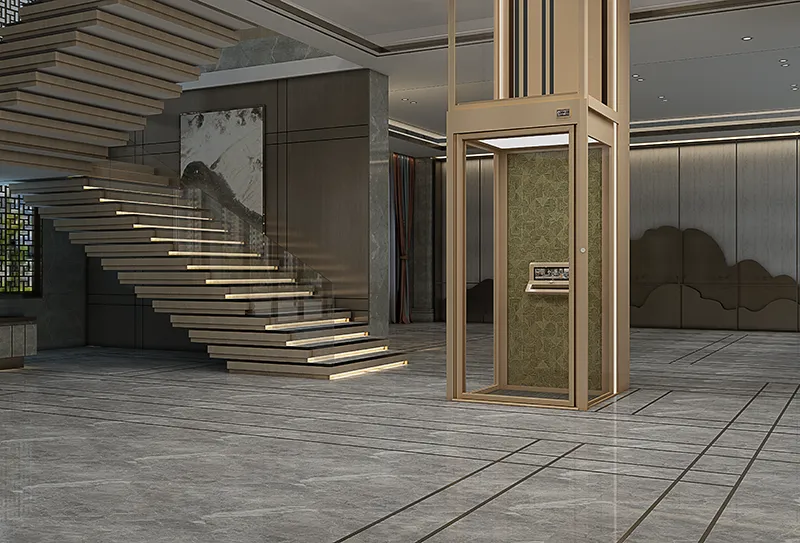
The shaft structure is one of the most visible cost differences in residential elevator retrofit projects. Some owners prefer a simple enclosed shaft. Others want a glass-shaft villa elevator that becomes part of the interior or exterior design.
A glass shaft or panoramic structure may increase material and installation cost, but it can improve the appearance of a villa project and reduce the feeling of a closed structure inside the house. This is especially relevant for living rooms, stair halls, open atriums, and high-end villa interiors.
Songya provides different home elevator directions, including compact self-contained shaft designs, staircase-type home lift solutions, and glass-shaft villa elevator options. The suitable choice depends on the house layout, decoration style, available space, and project budget.
7. Door Type and Opening Direction
Door arrangement is often underestimated in retrofit projects. The elevator door must align with the available landing space on each floor. If the door opens toward a narrow corridor, furniture area, staircase edge, or structural wall, the installation may require additional adjustment.
Buyers should confirm:
- Door opening direction on each floor
- Landing space in front of the elevator
- Whether doors open on the same side or different sides
- Whether wall openings are required
- Whether the door style matches the interior design
Different door configurations may affect shaft size, cabin layout, installation complexity, and final cost. This is why floor plans and site photos are important before quotation.
8. Civil Work and Site Modification
In many retrofit projects, part of the cost comes from site modification rather than the elevator equipment itself. Existing houses may require floor openings, wall openings, foundation work, shaft reinforcement, electrical preparation, decoration repair, or waterproof treatment for outdoor installations.
Possible civil work items include:
- Cutting floor openings
- Preparing or modifying the pit area
- Creating wall openings for elevator doors
- Adding structural support where required
- Preparing electrical power supply
- Repairing floor, wall, or ceiling finishes after installation
- Weather protection for outdoor shaft structures
These items are usually handled locally by the project owner, installer, or contractor. When comparing quotations, buyers should clearly separate elevator supply cost from local civil work and installation cost.
9. Safety Configuration and Daily Use Requirements
A home elevator is not only a moving platform. It is daily-use residential equipment for elderly parents, children, family members, caregivers, and visitors. Safety configuration and ease of use should be reviewed at the early stage.
Important safety and use-related items include:
- Emergency stop function
- Door lock and landing safety
- Power failure response
- Cabin lighting
- Control panel position
- Anti-slip flooring
- Handrail arrangement
- Noise level during operation
- Ease of operation for elderly users
Additional safety or comfort requirements may affect the final configuration. For aging-in-place projects, these details should be treated as part of the main specification rather than optional decoration.
10. Cabin Finish and Interior Matching
For villa and private house projects, the elevator should match the interior environment. Cabin wall material, ceiling design, lighting, floor finish, handrail, control panel, and door style can all influence the final cost.
Songya supplies not only complete home elevator systems but also related elevator accessories, including elevator cars, doors, control cabinets, HMI panels, cabin ceilings, cabin floors, and shaft structures. This allows residential elevator projects to be configured according to both technical and aesthetic requirements.
For a simple retrofit project, a standard cabin finish may be sufficient. For a villa or high-end private house, a customized cabin or glass-shaft design may be more appropriate.
11. Export, Packaging and Local Installation Conditions
For overseas buyers, the project cost also includes packaging, delivery, destination country requirements, local installation, and after-sales coordination. A factory quotation may include elevator equipment and packaging, but local installation, civil work, customs clearance, permits, and final inspection may be handled separately depending on the project.
Before confirming an order, overseas buyers should clarify:
- What is included in the factory supply scope
- Whether shaft structure is included
- Packaging method for export delivery
- Required documents for customs or project approval
- Who handles local installation and civil work
- Whether installation guidance or technical support is required
- Spare parts and after-sales service arrangement
This helps avoid misunderstanding between equipment price and total project cost.
Conclusion
The cost of retrofitting a home elevator in an existing house depends on more than the elevator model. Shaft availability, installation position, number of floors, travel height, drive system, cabin size, shaft structure, door arrangement, civil work, safety configuration, interior finish, delivery scope, and local installation conditions all affect the final project cost.
A reliable quotation should be based on drawings, measurements, site photos, and user requirements. For homeowners, villa buyers, distributors, and retrofit contractors, the most practical first step is to confirm the house layout and installation conditions before comparing elevator prices.
FAQ
Can a home elevator be retrofitted into an existing house?
Yes. Many existing houses can be evaluated for home elevator retrofit. Possible installation positions include an existing hoistway, staircase middle, wall-side space, outdoor shaft, or self-contained aluminum alloy shaft structure.
What affects the cost of retrofitting a home elevator?
The main cost factors include shaft condition, number of floors, travel height, drive system, cabin size, door arrangement, shaft structure, civil work, safety configuration, interior finish, delivery scope, and local installation conditions.
Does a retrofit home elevator need a concrete shaft?
Not always. Some projects use an existing concrete hoistway, while others may use a self-contained shaft structure such as an aluminum alloy elevator shaft. The suitable structure depends on the house layout and installation position.
Is a hydraulic or traction elevator better for an existing house?
Both can be suitable. A hydraulic elevator may be selected for stable low-rise residential use, while a traction elevator may be preferred for compact structure, quiet operation, and energy efficiency. The final choice depends on floor number, shaft condition, travel height, load requirement, and maintenance access.
Why do home elevator retrofit quotes vary so much?
Quotes vary because each house has different shaft conditions, floor heights, installation positions, cabin size requirements, civil work needs, decoration standards, and local installation conditions.